Cameroon Strengthens Partnerships to Expand Access to Safe Water and Sanitation

Inspired by the spirit of Fela Kuti’s timeless classic “Water No Get Enemy,” Cameroon is reaffirming its commitment to ensuring access to safe and affordable drinking water for all citizens.
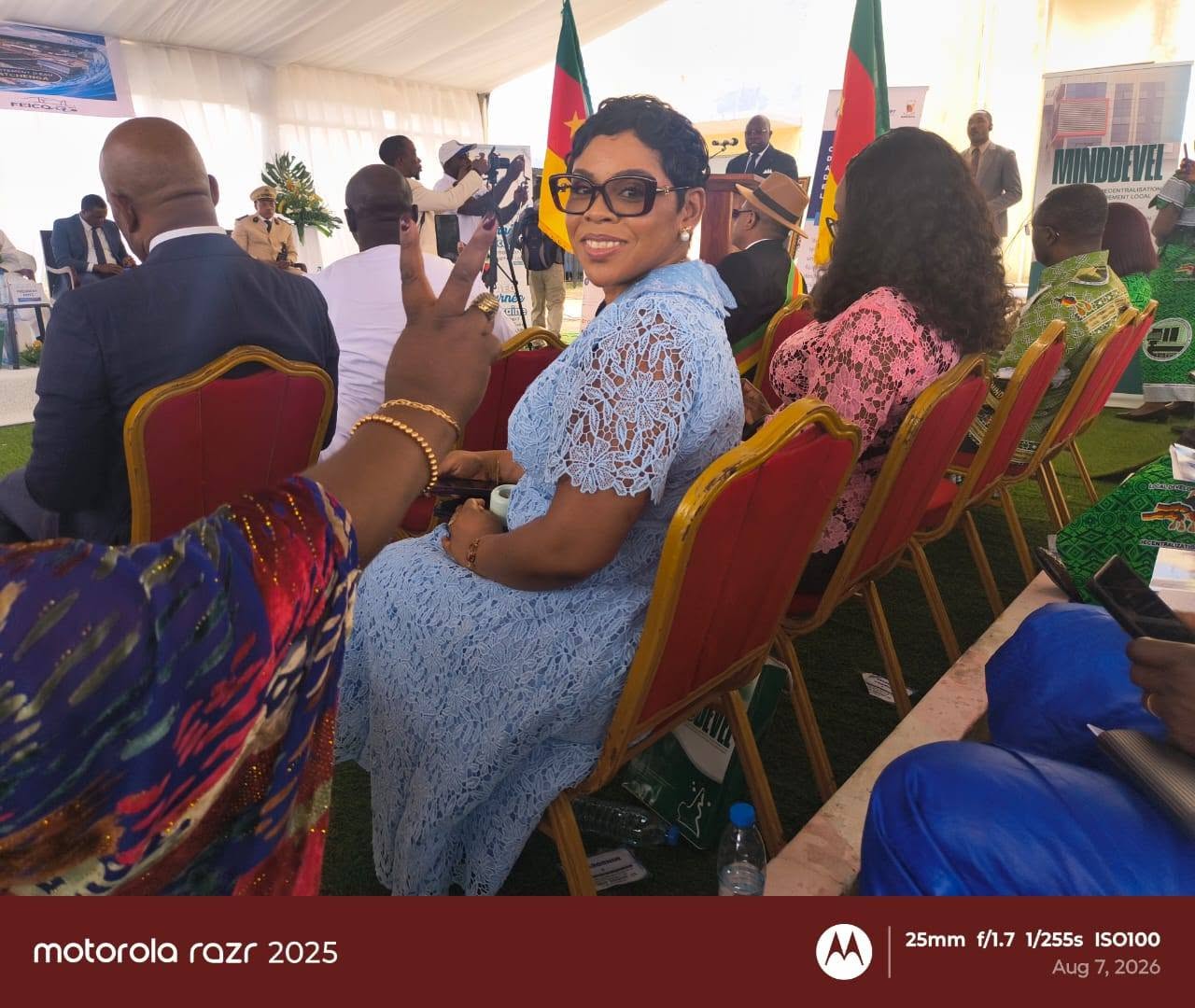
In Batchenga, the Minister of Decentralization and Local Development, Georges Elanga Obam, chaired a high-level consultation bringing together the Special Council Support Fund (FEICOM), CAMWATER, regional and local authorities, and other key stakeholders to strengthen partnerships for sustainable water supply and sanitation.
The meeting highlighted concrete achievements, including FEICOM’s investments in standpipes, boreholes and water storage facilities across the country. CAMWATER also reaffirmed its commitment to providing quality potable water at an affordable cost, while calling on citizens to contribute to protecting the water supply network by reporting cases of fraud and illegal connections.
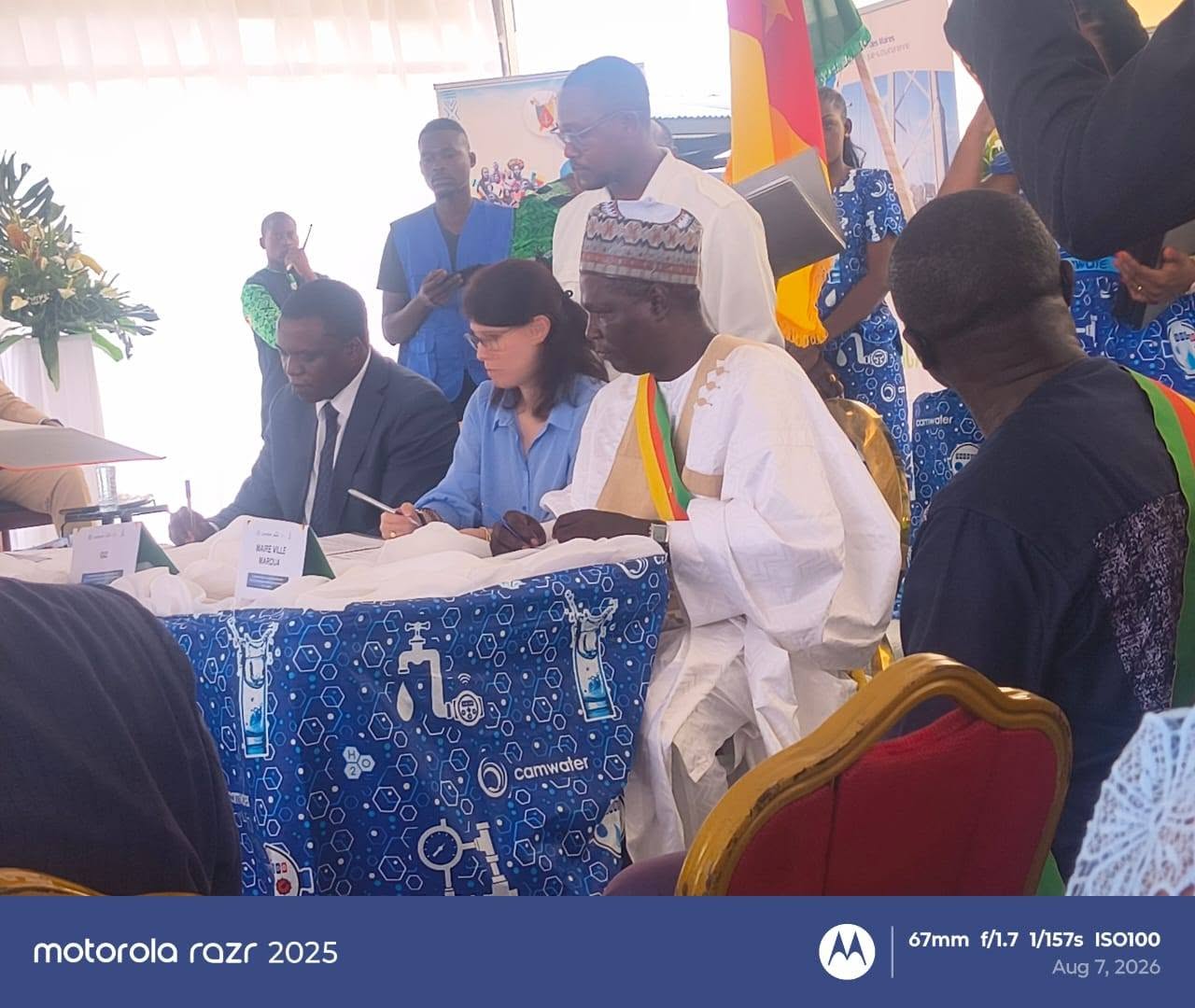
A major highlight of the consultation was the signing of partnership agreements between CAMWATER and the South Regional Council, the City Councils of Bamenda and Maroua, as well as the Councils of Dizangué and Abong-Mbang. These agreements mark another important step towards expanding water infrastructure and bringing safe drinking water closer to more communities across the country.
The participation of the Minister of Water and Energy, Gaston Eloundou Essomba, further demonstrated the Government’s commitment to improving access to potable water and strengthening sanitation systems for the benefit of the population.
The consultation was organised as part of activities marking the 15th African Day of Decentralization and Local Development, under the theme: “Empowering Local Authorities for Sustainable Water Availability and Sanitation Systems to Achieve the Goals of Agenda 2063,” as well as the 9th African Day of Civil Status Registration and Vital Statistics.
Through this initiative, the Government of Cameroon continues to strengthen collaboration between national institutions, regional and local authorities and development partners, with a view to improving access to essential public services and advancing sustainable local development in line with the objectives of Agenda 2063.